RECORD-003
Audio artifact (phonographic cylinder).
Reference: CY-991 / X-12.
Catalog incomplete.
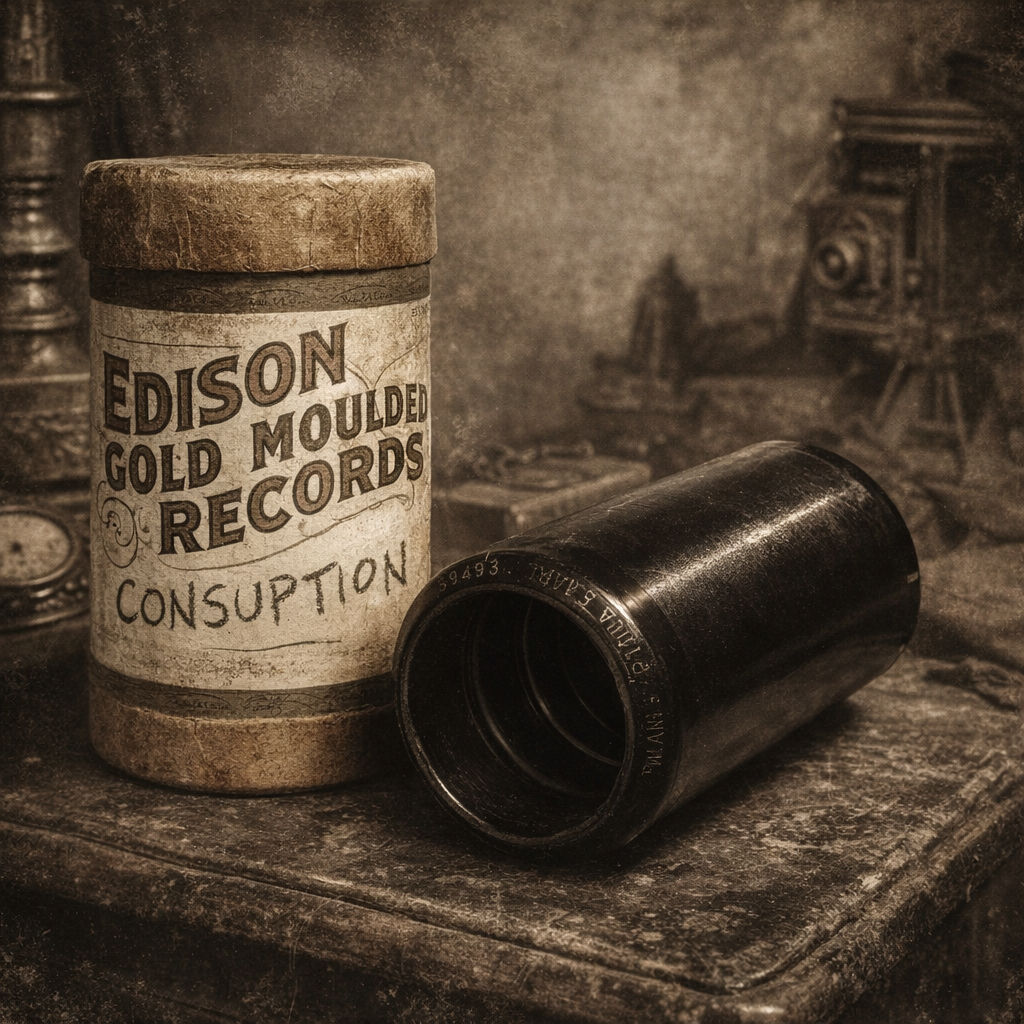
Recovered Audio Fragment
The recording is severely degraded. A cough-like sequence is intermittently audible. No intelligible speech has been confirmed.
Provisional interpretation: respiratory distress captured intentionally. Identification of the subject is not possible under current conditions.
Audio Content (Transcript)
[coughing; irregular breath noise; surface crackle]
[unintelligible]
Listening conditions may affect perceived content. Repeated playback is discouraged.
Associated Audio Reference
External listening copy (digitized transfer). The original cylinder is not made available for repeated handling.
Access the audio reference (external link)
Interpretive Note
The container label reads CONSUPTION (sic). The term likely refers to consumption, a historical name commonly used for pulmonary illness. Whether the label describes the content, the subject, or a collector’s category remains unknown.
The act of recording cough and distress—if that is indeed what is present—suggests either medical documentation, private obsession, or deliberate sensationalism. No accompanying notes clarify intent.
The recording functions as an early form of found-footage audio: a fragment preserved without context, later reinterpreted as evidence.
Support Note — Early Phonographic Media
Early sound recording media preserved audio as physical traces on a rotating surface. Signal clarity depended on material condition, storage, and the limitations of contemporary playback. Cylinder recordings are especially vulnerable to wear, distortion, and partial signal loss.
The perceived “presence” in such recordings—breath, cough, pauses—often intensifies when intelligible speech is absent, allowing listeners to supply narrative meaning.
Historical Context — Wax Cylinders
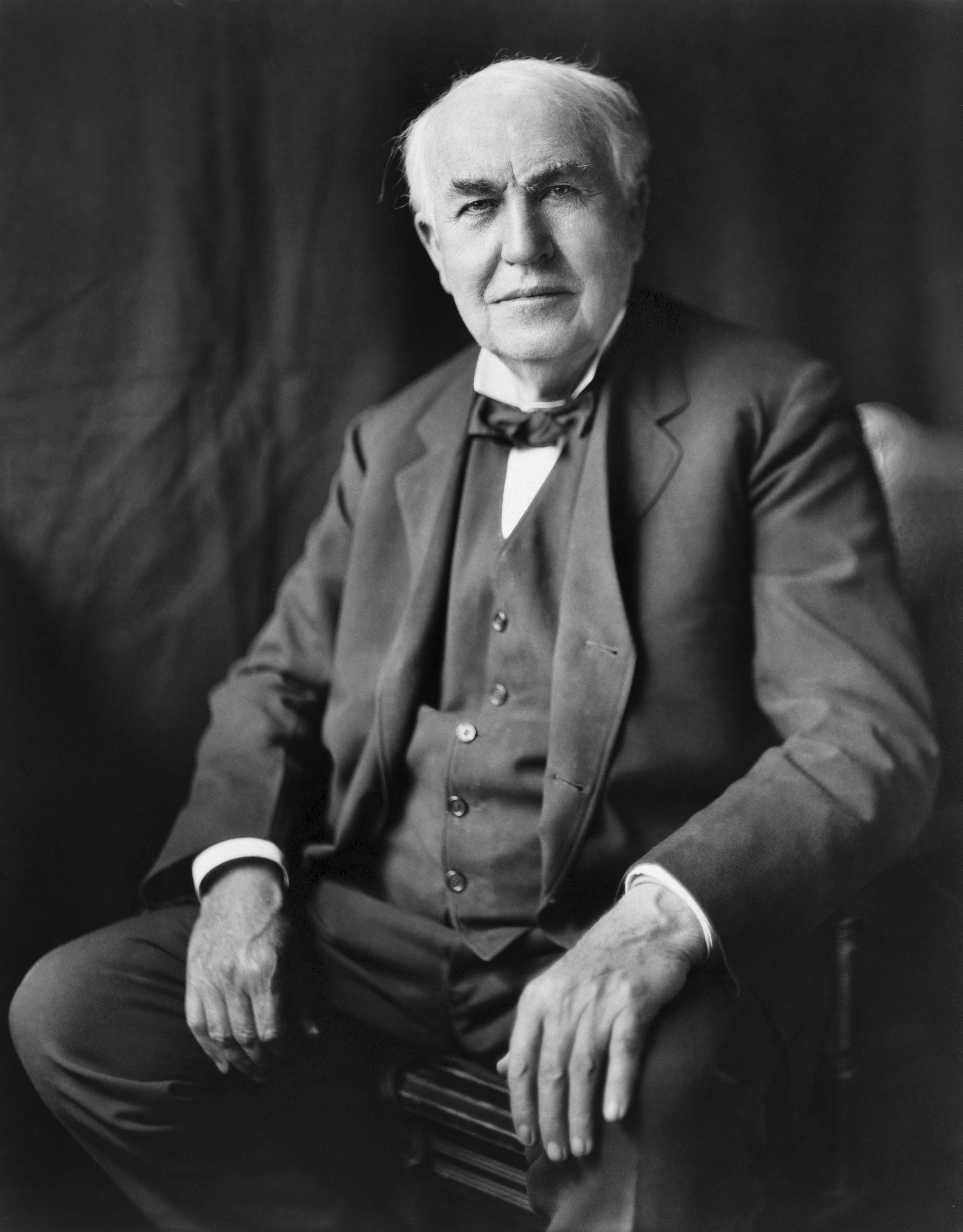
The wax cylinder was introduced in the late nineteenth century as one of the earliest practical sound recording media. The system is most closely associated with Thomas Alva Edison, who developed the phonograph in 1877.
Early cylinders recorded sound mechanically, capturing vibrations as physical grooves on a rotating surface. Playback quality was highly dependent on material condition, recording force, and environmental factors.
Wax cylinders were used for music, speech, experimental recordings, and in some cases for private or medical documentation. Their fragility has resulted in widespread loss and severe degradation of surviving examples.
Collector’s Note
The content is disturbing in its apparent intimacy. If the subject was recorded during illness, the intent was not benign. The archive does not infer motive without corroboration.
— The Archivist